- Isha Varma

- Last Updated: February 11, 2026
As companies prepare to comply with the EU’s Corporate Sustainability Reporting Directive (CSRD), one of the key aspects in preparing and submitting the report is to tag it in an XBRL format. XBRL (x Extensible Business Reporting Language) is an international standard used for digital business reporting. This shared language allows investors and stakeholders to access information in a more usable format. With machine-readable data (numbers and financials) and human-readable data (words)coexisting in the same document.
This blog explains the importance of XBRL tagging for CSRD compliance and highlights how XBRL integrates ESG data for more accessible reporting. It also discusses the challenges companies face in implementing XBRL tagging and the risks of non-compliance.
Why XBRL Tagging Matters
To create a document or report in XBRL format, each line item needs to have a specific tag attached to it. These tags make it easier for computers to verify and compare data across global companies. This creates readable outputs for regulatory bodies and investors.
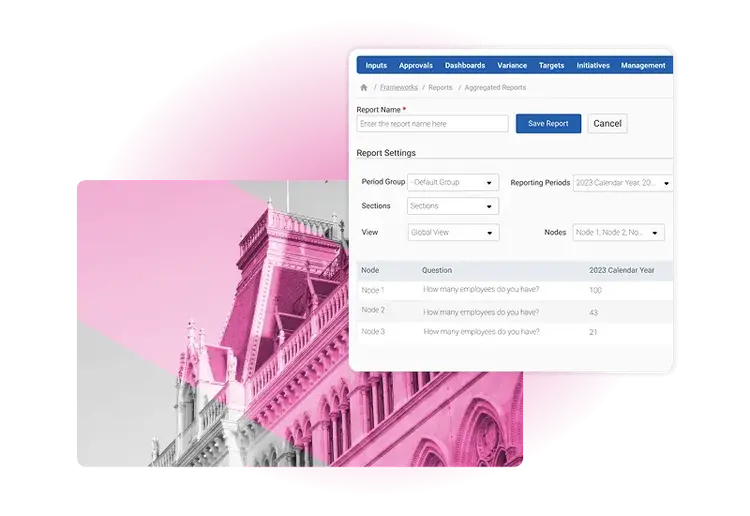
From a sustainability lens, XBRL is now being used in global regulations and frameworks. The introduction of XBRL comes as a response to the demand for integrated ESG reporting (non-financial with financial data). There is a particular emphasis on incorporating ESG into financial reporting, to better understand and manage risks and as well as identify new opportunities.
CSRD Reporting and XBRL Tagging Requirements
The most recent (and urgent) requirement for XBRL tagging capabilities comes from the European Sustainability Reporting Standards (ESRS) taxonomy within the CSRD. With the U.S. Securities and Exchange Commission’s (SEC) latest sustainability ruling, XBRL tagging will also become mandatory for certain sustainability disclosures.
Organizations who fail to comply with regulations and incorrectly submit final reports run the risk of legal penalties and reputational risks. Competitive disadvantages, and access to future opportunities are also in potential disadvantages. Thus, it is vital that organizations leverage XBRL tagging tools to accurately create and submit their reports in accordance with the global regulations.
What are the internal challenges with XBRL?
XBRL has been a global language and standard used across the financial sector for many years. However, many companies may be unfamiliar with how this works and how it specifically applies to sustainability reporting. Key challenges with XBRL can include:
- A lack of internal technical and financial knowledge. XBRL can be complex to use, it also requires a high-level degree of knowledge of taxonomies, financial statements, and how they are structured. Many organizations in the early stages of their sustainability journey may not have the internal knowledge or resources available to dedicate time towards enablement and training.
- Producing reports with accuracy. Without a specific tool and guidance, XBRL tagging is lengthy, complex in addition to cumbersome. This can result in errors and inaccurate submissions, leading to legal complications, fines and penalties.
- Burdening internal teams with additional administrative tasks. Manually tagging documents using tools like Excel is incredibly cumbersome and long, especially with complicated sustainability reports. Customers will need to access the taxonomies themselves and conduct the tagging and cross-referencing manually. For reference, there are ~1000+ data points across 12 standards in the ESRS.
How Cority Can Help
To overcome these challenges, companies can benefit from using automated XBRL tagging solutions. It is also key to have expertise to support at every step to meet the regulatory reporting requirements.
At Cority, we partner with CoreFiling, a renowned expert in XBRL solutions, to integrate their Seahorse solution’s XBRL tagging capabilities into our sustainability solutions. Their automated tagging and AI-powered tag selection uses machine learning technology. This considers thousands of previous tagging selections, making it the financial world’s fastest and most accurate tagging system. Thus, our partnership allows us to take our customers’ annual reports in PDF, Word, Excel, or InDesign formats to create a fully tagged inline XBRL filing.
Cority’s award-winning sustainability experts support our customers along the regulatory journey, helping simplify the effort to create, validate and submit accurate and timely XBRL-tagged sustainability reports to maintain compliance with CSRD.
Ready to simplify your XBRL tagging?

- Explore Related Topics
- CSRD, ESG Management, Frameworks & Standards, Reporting, Sustainability & ESG
We value your privacy
Isha Varma
Isha is the Product Marketing Manager for Cority’s Sustainability Cloud solutions. In her role, she leads go-to-market efforts, sales enablement initiatives, and executes campaigns to drive product growth and usage. Isha brings over six years of marketing experience across various B2B SaaS and B2C roles, including being a campaign manager for national sponsorship activations at Deloitte Canada and leading product marketing efforts for the employee engagement solutions at Benevity. Outside of working hours, Isha can be found powering through a book, discovering new music and/or enjoying the great outdoors near the Rocky Mountains.